TCS hires freshers through different programs and role tracks, and compensation can vary by hiring cycle, role, qualification, location, and the specific offer. Because packages and eligibility rules change, this guide focuses on how to understand and verify a TCS fresher offer rather than presenting one salary figure as permanent.
TCS Fresher Roles: Why the Names Can Be Confusing
You may see terms such as BPS, Ninja, Digital, Prime, Smart Hiring, or other program names in campus notices, candidate discussions, and older hiring drives. These labels do not always appear in exactly the same way across every recruitment cycle.
The safest approach is to treat the current TCS job posting, recruitment communication, and offer letter as the source of truth for your role, compensation, eligibility, work location, and joining terms.
What Can Affect a TCS Fresher Package?
- Hiring program: Different campus and off-campus programs can have different compensation structures.
- Role: Technology, business-process, support, engineering, and specialist roles may use different bands.
- Qualification: Some programs are open only to specific degrees or branches.
- Assessment and interview performance: In some programs, performance can influence role mapping, but the exact mechanism is not universal.
- Location and business requirement: Joining location and project allocation can affect practical take-home costs even when CTC is unchanged.
Do Not Treat Old Salary Tables as Guaranteed
Salary numbers shared on job portals, social media, YouTube, college groups, or older offer-letter discussions can be useful context, but they are not automatically the package for a current opening. A figure can be outdated, specific to one batch, or include variable pay and benefits differently.
If the official job description does not publish compensation, the accurate answer is: salary not specified by the employer in the public listing.
CTC vs Take-Home Salary
CTC is not the same as the amount credited to your bank account every month. Depending on the offer, CTC may include fixed salary, variable pay, employer contributions, insurance, bonuses, or other components.
When you receive an offer, read the compensation breakup carefully and identify:
- fixed annual pay;
- variable or performance-linked pay;
- joining or retention bonuses;
- provident fund or other employer contributions;
- benefits and insurance;
- any training or service-related conditions.
How to Verify a TCS Offer or Salary Claim
- Check whether the role exists on an official TCS recruitment or careers channel.
- Read the exact eligibility details for your drive.
- Do not rely on screenshots without context.
- Compare any salary claim with the official communication you received.
- For shortlisted candidates, treat the formal offer letter as the final source for compensation.
What About Digital, Prime, Ninja, or Similar Tracks?
Official TCS 2026 update (checked 18 October 2026): TCS’s All India NQT hiring page for the 2024, 2025 and 2026 batches displays the compensation ranges below. These figures relate to that specific hiring event, not to every TCS fresher role, year or location. Registration for this NQT drive is officially marked Closed. Do not treat it as a new application opening.
| Cadre | 0–1 year: UG CTC | 0–1 year: PG CTC | 1–2 years: UG CTC | 1–2 years: PG CTC |
|---|---|---|---|---|
| Prime | ₹9.09–9.30 LPA | ₹11.59–11.80 LPA | ₹9.45–9.66 LPA | ₹12.05–12.26 LPA |
| Digital | ₹7.09–7.30 LPA | ₹7.39–7.60 LPA | ₹7.50–7.72 LPA | ₹7.82–8.04 LPA |
Source: TCS official All India NQT hiring page. TCS states that actual compensation depends on relevant work experience and job location. This is CTC, not guaranteed take-home pay.
Ninja is a separate hiring category, not another name for Digital. The TCS FAQ on this recruitment page states a minimum Ninja CTC of ₹3.4 LPA for eligible UG candidates and ₹3.6 LPA for eligible PG candidates; availability and offer type depend on the drive and hiring process. BPS (Business Process Services) has separate hiring criteria and should not be conflated with the technology cadres.
Higher-skill tracks have historically been associated with stronger technical expectations and different compensation than standard entry-level tracks. However, exact role names, packages, assessment thresholds, and qualification rules can change.
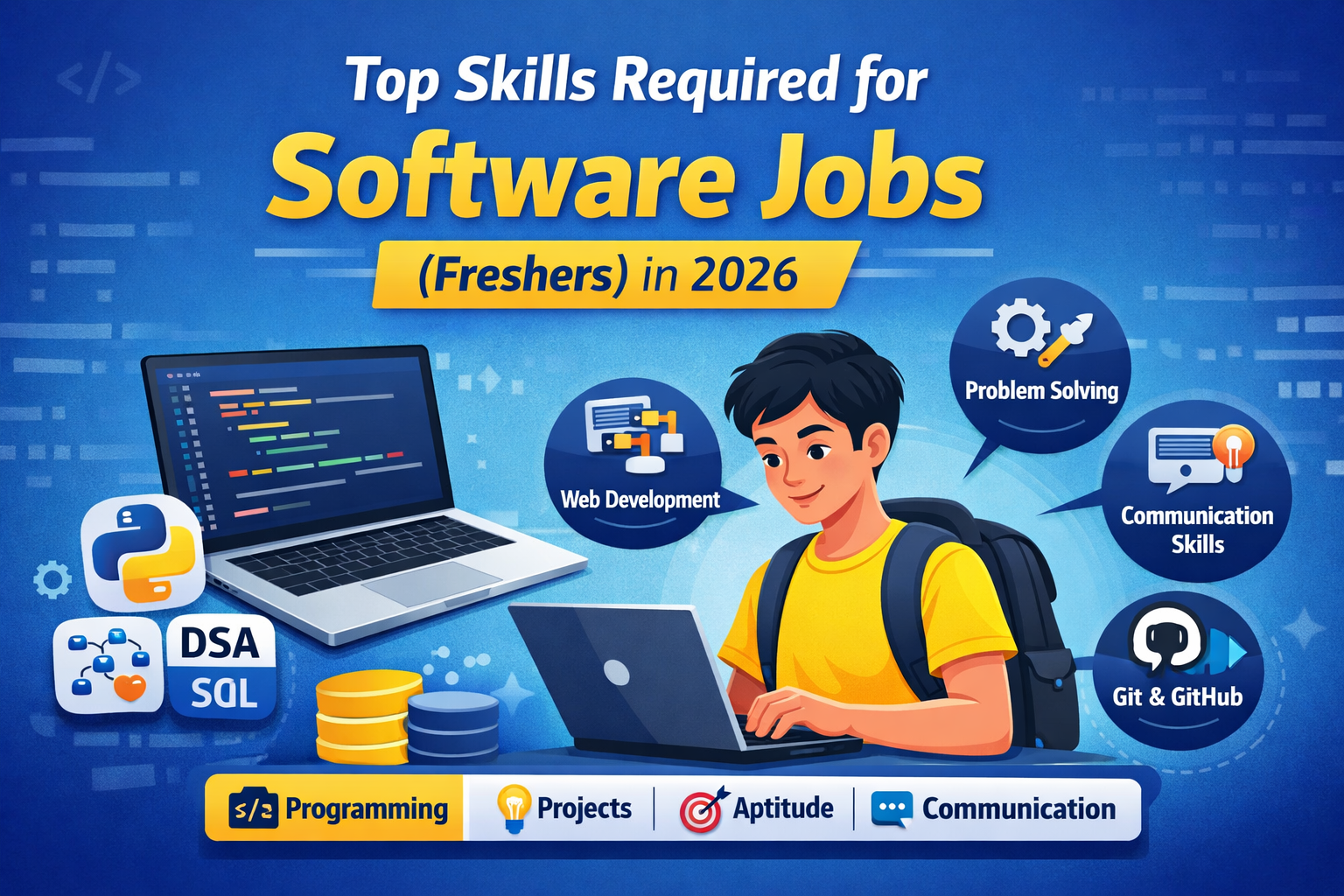
Instead of preparing for a rumoured cut-off, focus on the technical areas that improve your chances across programs: problem solving, programming, data structures, SQL, computer-science fundamentals, project explanation, and communication.
Can a Fresher Target a Higher-Paying Track?
Yes—when the current hiring program offers multiple role levels and your eligibility matches. But do not assume that a particular coding percentage automatically guarantees a specific role. Role allocation can depend on the employer’s current process, business needs, assessment performance, interviews, and eligibility.
What Should You Prepare?
- quantitative aptitude and logical reasoning if included in your assessment;
- arrays, strings, loops, functions, searching, sorting, and basic data structures;
- one programming language you can explain confidently;
- DBMS and SQL;
- OOP fundamentals;
- your strongest academic or personal projects;
- clear communication and behavioural examples.
Questions to Ask Before Accepting an Offer
- What is the exact role and business unit?
- What portion of the CTC is fixed versus variable?
- Is there a training period and are its terms different?
- What is the base or joining location?
- Are there any service commitments or repayment clauses?
- When will the final compensation structure be shared?
Red Flags Around Salary Claims
Be cautious when a third party promises a specific package, guaranteed role upgrade, or guaranteed selection in exchange for money. Hiring365 does not charge candidates to access job information or to apply through official employer links.
Related Hiring365 Guides
- TCS NQT Preparation Guide 2026
- How to Read a Job Description Before Applying
- How to Verify a Job Opening Is Genuine
Bottom line: use salary discussions as context, not as a promise. For any current TCS application, the official recruitment communication and eventual offer letter are more reliable than an old salary chart or unofficial cut-off.